Home › Insights › Sell a boat Documents to sell a used boat: the complete checklist
Sell a boat
Documents for selling a used boat: the complete checklist
Documents for selling a used boat: the complete checklist it is an indispensable guide for anyone wishing to sell their boat efficiently and safely. Navigating bureaucratic formalities can be complex; this checklist helps navigate the necessary documents and legal steps. It is a useful tool for private owners and brokers looking to ensure a smooth transaction.
For those intending to sell a used boat, the organization of documents is crucial. Among the essential items are the certificate of ownership, navigation licenses, and the owner's identity documents. Proper management of these documents ensures a smooth transfer of ownership in compliance with current regulations, avoiding delays or issues with the port authority.
The guide focuses on how to prepare and gather documentation in detail, preparing the seller for any eventuality. The reader will learn how to manage technical surveys and check the condition of the hull. In addition, the text provides practical advice on how to handle any sea trial requests, making the sale of the boat an experience handled with professionalism and competence.
- Updated: September 2026
- Reading time: 12 minutes
01
GUIDE
08
SECTIONS
10
FAQ
03
INSIGHTS
OF THE ARTICLE
Briefly
- Make sure you have the updated and complete certificate of ownership.
- Check the validity of the boat insurance before the sale.
- Verify that the owner's identity document is valid and compliant.
- I will present the seaman's book or other equivalent document.
- Make sure that any mortgages are extinguished and documented.
- Draft a detailed and clear sales contract for both parties.
Summary of the main concepts of this guide to help you get your bearings quickly.
01
SECTION 1
Selling a used boat requires a series of documents that attest to the compliance and ownership of the vessel. It is essential first of all to have the deed of ownership or the bill of sale which shows the details of the boat and the owner's data. These documents are fundamental to guarantee a correct and transparent transfer of ownership, a crucial aspect for both the buyer and the seller.
Another essential document is the navigation license, which certifies that the boat is registered and fit to navigate according to current regulations. It is important to verify that the license is up to date and that all the information provided, such as length or engine type, matches reality. The absence of this document could in fact complicate the sales process and reduce buyer interest.
One of the main preparations is the marine survey, which provides a detailed assessment of the vessel's condition. This survey, carried out by an authorized expert, offers both technical and legal certainty regarding the value of the craft. Furthermore, the transparency of the survey helps to speed up negotiations and inspires confidence in the potential buyer.
Finally, it is advisable to check for any maintenance certificates and recent sea trials, which demonstrate the ongoing care and efficiency of the boat. These documents can positively influence the purchasing decision, showing the current owner's commitment and seriousness in managing the boat. A complete and well-organized documentary dossier can therefore make a difference in the selling process of a used boat.
“
Editorial element, citation or relevant data.

02
SECTION 2
The first phase in selling a used boat includes gathering the necessary documents to prove ownership and regulatory compliance. It is essential to obtain the certificate of ownership or, alternatively, the original purchase contract, which attest to the legitimacy of possession. It is also fundamental to retrieve the CE conformity certifications, navigation licenses, and any documentation regarding modifications or improvements made to the boat. If missing, these must be requested from official bodies such as the harbor master's office.
To ensure the vessel is in optimal structural and functional condition, it is recommended to have a technical survey carried out by a recognized expert. This specialist will assess the condition of the hull, engines, and systems, and provide a detailed overview of any necessary repairs. The survey report is not only a reassuring document for the buyer, but also a tool that facilitates the negotiation of the selling price. If critical issues emerge, the owner will have to decide whether to proceed with the repairs or revise the financial offer.
Finally, transparency and accuracy are essential when presenting the boat on the market. It is important to prepare a complete dossier that includes the history of maintenance carried out, current insurance documents, and the latest technical inspection. Furthermore, during the sales process, care must be taken to draw up a detailed contract that regulates the transfer of ownership, thus ensuring a clear transaction free of legal ambiguities. The support of a maritime law professional can offer total security in the interpretation and formulation of these contracts.
03
SECTION 3
Selling a used boat can involve risks if proper attention is not paid to the necessary documentation. A common mistake is failing to verify the absence of liens or mortgages on the vessel, elements that could limit the free availability of the asset. It is essential to request a mortgage status certificate from the competent port authority to ensure there are no encumbrances or disputes.
Another risk is relying on outdated ownership documents. Ensuring that the transfer of ownership has been duly registered and that all information in the naval registry is correct and up-to-date is crucial. A detailed check of the construction documents, any certificates of conformity, and the vessel's current flag state helps to avoid surprises during the negotiation phases.
The technical condition of the boat also deserves attention. An independent marine survey can provide a detailed assessment of the structural condition and onboard systems, identifying potential defects or maintenance needs. This check not only reassures the buyer, but also protects the seller from future disputes regarding the condition of the vessel at the time of sale.
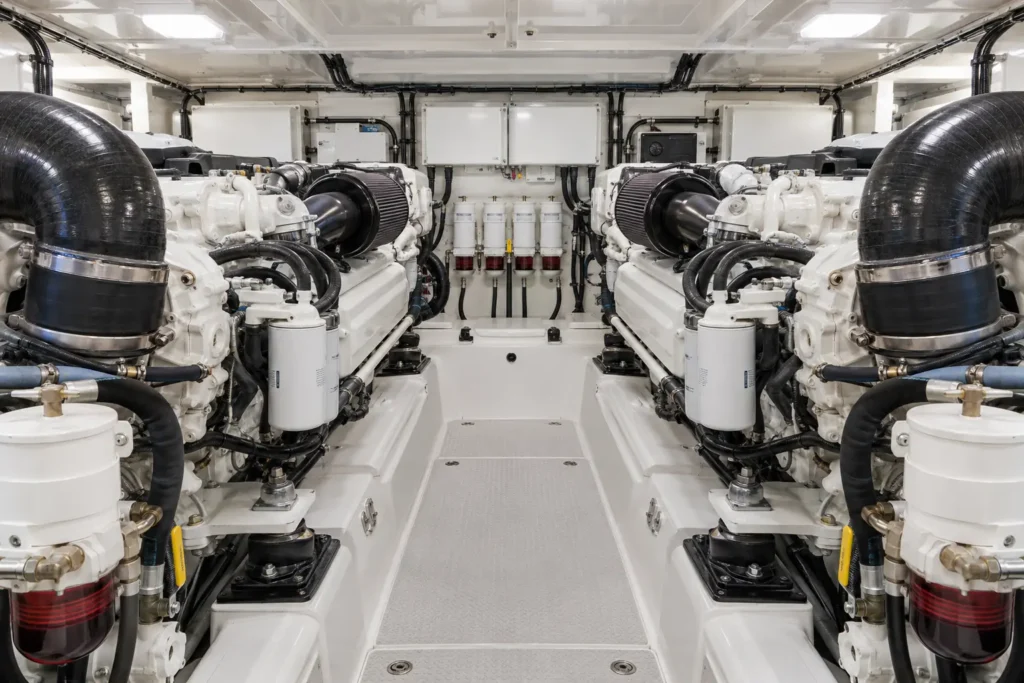
Finally, it is advisable to conduct a sea trial with an expert technician. This step helps confirm the reliability of on-board systems and can highlight issues not visible during an inspection on land. In this way, both parties can conclude the transaction with greater peace of mind, having made decisions based on concrete data.
“
Practical case, technical verification, or professional perspective.
04
SECTION 4
When evaluating the purchase of a boat, it is essential to analyze various economic and commercial aspects. The initial price is only one component of the decision. It is crucial to consider the general condition of the boat, including maintenance history and any future needs. The hull, for example, may require a specific treatment or technical interventions immediately after purchase, influencing the overall investment. On-board equipment as well, from navigation instruments to comfort accessories, must be examined carefully, as it significantly affects the total value of the boat.
Documentation is another crucial aspect: ensuring that documents are complete, in order, and ready for the transfer of ownership is essential to avoid future legal problems. This includes checking safety certifications and, if applicable, the transfer in the ship registries. Hauling and launching expenses, as well as ordinary and extraordinary operating costs, must be included in the evaluation to have a clear view of sustainable costs over time.
Finally, it is useful to compare various similar units for sale to get a realistic picture of the market value and existing opportunities. A careful comparison between costs and benefits helps identify any less advantageous offers and recognize good deals. The final choice should balance both personal needs and the general condition of the boat, ensuring an investment that meets expectations and guarantees peace of mind for years to come.
05
SECTION 5
In the process of buying and selling a used boat, it is essential to adopt a meticulous approach to negotiation and the protection of the parties involved. Written communication is essential to establish clear and binding conditions. Every detail regarding the condition of the vessel, payment terms, and other relevant aspects must be defined in writing and countersigned by the parties.
A survey might prove necessary for an objective evaluation of the boat. This technical document can identify any anomalies or damage, the recognition and management of which must be clarified before the final contract is signed. Any agreement on necessary repairs or price adjustments must be formalized in a structured manner.
The next step will involve a sea trial, during which the buyer will be able to verify the correct operation of the boat. The possibility of conducting further checks offers protection during the contractual phase and highlights the importance of a transparent approach. It is important to consider that the requirements and documents necessary for the transfer of ownership may vary depending on the boat, the flag under which it is registered, and the relevant jurisdiction. The assistance of a qualified professional can facilitate the entire process, ensuring that every legal requirement is met.
Finally, moving towards the conclusion of the agreement requires ensuring that all anomalies found have been adequately managed, in addition to confirming the transfer of the necessary documents. This step formally establishes the change of ownership, protecting the rights and responsibilities of the parties involved. Compliance with a detailed procedure strengthens mutual trust and promotes a satisfactory outcome for both parties.
06
SECTION 6
Selling a used boat requires a structured method to ensure that every phase of the process is handled correctly. The first priority is to thoroughly check all vital documents such as the certificate of ownership, the seaworthiness certificate, and insurance. Next, it is essential to obtain an accurate valuation from a marine surveyor to determine the fair market value of the vessel. This survey will be crucial for establishing a realistic price and strengthening negotiating positions.
When starting the sale, it is helpful to involve an experienced broker. This professional will not only handle the promotion of the boat, but will also facilitate the transfer of ownership, coordinating with the harbor master's office for any updates to official documents. Before proceeding with the sale, a sea trial can reassure the buyer, confirming its technical and operational condition. If issues arise during the process, it might be appropriate to renegotiate the price or pause to carry out the necessary repairs.
In conclusion, accurate knowledge of one's documentary duties, expert appraisal, and collaboration with qualified professionals make it possible to handle every transaction with confidence. BrokerBarche is available to offer assistance at every stage of the sales process, ensuring expert and competent support.
COMPARISON TABLE
| Criterion | What to check | Risk if neglected | Recommended action |
|---|---|---|---|
| Title deed | Owner data consistency | Ineffectiveness of the deed of sale | Check nautical logs |
| Construction certificate | Validity and authenticity of documents | Registration issues | Check with the harbor master's office |
| Registration | Correct registration number | Block on the transfer of ownership | Confirm via ship registry |
| Sailing logbook | Complete documentation | Frequent delays in use | Check for updates and stamps |
| Security certificate | Periodic inspection completed | Regulatory non-compliance | Request safety inspection |
EDITOR'S NOTE
When selling a used boat, having the correct documentation is essential to ensure a smooth transfer of ownership. Among the essential elements, the bill of sale must be clear and precise, while the EC declaration of conformity ensures that the vessel complies with safety regulations. Each document must accurately reflect the condition of the boat to avoid future disputes. Relying on an expert for a professional survey can prove to be a wise choice for accurate verification and evaluation.
The difference between useful information and specific consulting emerges in the support regarding supplementary documentation, such as any hull certificates and port authority authorizations for special registrations. An experienced broker can provide practical guidance, helping to distinguish between legal obligations and suggested precautions, a crucial aspect for closing the deal in a calm and informed manner. Investing time in proper preparation will avoid complications and ensure an effective and smooth sale.
SOURCES AND REFERENCES
- Ministry of Infrastructure and Transport — regulations and services relating to recreational boating.
- Coast Guard — safety, decrees, and information from the Port Authorities.
- Italian Revenue Agency — tax references applicable to the sale and purchase.
PRACTICAL CHECKLIST
- Verify the certificate of ownership to confirm the seller's identity.
- Check the authenticity of the navigation license.
- Request the owner's manual from the shipowner.
- Inspect the condition of the hull and sails.
- Calculate the costs of ownership transfer and any local taxes.
- Consult a marine surveyor for a professional evaluation.
- Draw up a written contract defining the terms of sale.
- Conduct a sea trial to confirm the technical conditions.
BB
BROKERBARCHE EDITORIAL STAFF
Dynamic author profile
SELECTED BOATS FOR SALE
The boats for sale selected by BrokerBarche brokers are published in the classifieds archive as they are verified. Consult the updated archive or specify what you are looking for: the search extends to off-market professional contacts.
Frequently asked questions
What documents are essential to sell a used boat?
The sale of a used boat requires documents such as the bill of sale, the type-approval certificate, the user manual, and the safety certificate. It is also important to have the engine booklet and proof of maintenance performed. The absence of documents can complicate the transaction.
How to prepare the boat for sale?
Effective preparation includes thorough cleaning, technical checks, and, if necessary, minor repairs. It is advisable to remove personal items and keep documentation in order to facilitate pre-purchase evaluations for the buyer.
What technical checks are necessary before the sale?
The necessary technical checks include verifying the condition of the hull, the engine, and the electrical systems. An inspection of the navigation and safety systems ensures that everything is operational and complies with current regulations.
What are the costs associated with selling a boat?
Costs may vary, including survey fees, marine expert inspection of the boat, broker commissions, and any costs for documentation and registries. It is advisable to request a detailed quote to avoid surprises.
How long does a boat purchase and sale take?
The timing varies based on the complexity of the transaction, including technical checks and documentation delivery times. It can take from a few weeks to several months. Proper preparation can reduce the time.
What responsibilities do industry professionals have in sales?
Industry professionals, such as yacht brokers, must ensure a correct valuation of the boat, document management, and support during all phases of the sale, complying with regulations and protecting both parties involved.
What are the common mistakes to avoid when selling a boat?
Common errors include lack of boat maintenance, incomplete documentation, inaccurate assessment of the selling price, and neglecting legal checks. Errors can lead to bureaucratic delays and a reduction in the selling value.
When is the right time to decide to sell the boat?
The right timing depends on personal and market factors. Considerations include seasonality, market conditions, and the future use of the vessel. Well-considered decisions help achieve a fair selling price and a smooth process.
What assistance services does BrokerBarche offer for the sale?
BrokerBarche offers personalized consultancy services, listings on major nautical portals, survey and document management, and support during negotiations. Assistance is continuous, from the initial valuation to the signing of the sales contract.
What is the transfer of ownership and how does it work?
The transfer of ownership is the legal process that transfers the ownership of the vessel from the current owner to the buyer. It is essential for initiating the new registration. It requires the submission of specific documents at the Harbor Office.
Related Articles
Category
Boat prices: how to set a realistic selling price
How to establish a credible price starting from the real market.
Category
Boat sales mandate: exclusivity, duration and withdrawal
What the mandate entails and what to check before signing.
Category
Yacht broker commission: how much it costs and what it should include
How broker fees are calculated and what they include.
ANY QUESTIONS? CONTACT US
BrokerBarche Support
MAIN GUIDE: Selling your boat